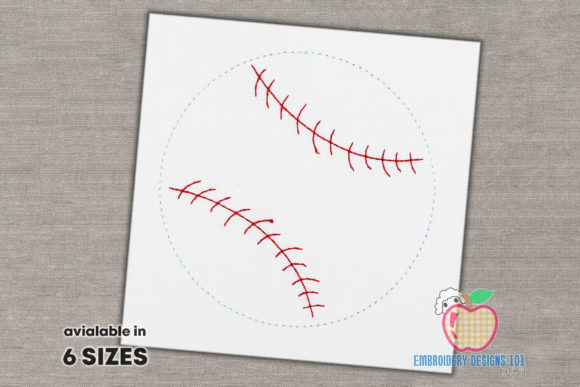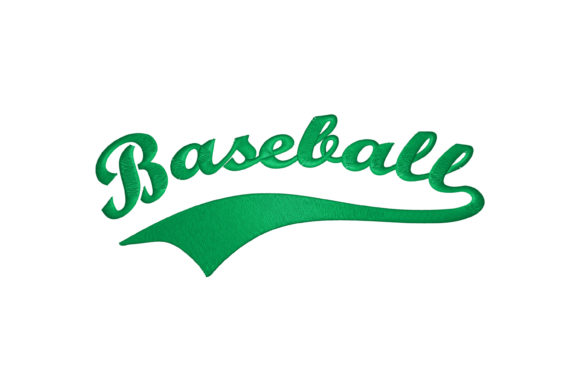
Baseball Logo Review for Craft Fair Success
As an experienced embroidery designer who spends countless weekends prepping booths for local craft fairs and online handmade markets, I know that the difference between a product that sits on a table and one that flies off it often comes down to the design itself. Today, I am putting Baseball Logo through its paces to see if it is the right fit for your next commercial project. When you are looking at a digital file to turn into a finished product, you need to think beyond just how it looks on a screen; you must consider how it translates to physical goods like tote bags, aprons, and caps.
The description for this piece promises that "If you re a baseball player, you need this cool sports embroidery in your life." That immediate energy suggests a bold, modern aesthetic rather than something soft or farmhouse. For a booth display, you want designs that catch the eye from across the aisle. A design with a strong sports theme naturally appeals to a specific demographic, but the key to selling it as a craft fair product is versatility. Does it work as a small accent or does it demand to be the focal point? Let us break down exactly how Baseball Logo performs when stitched out on various materials.
First Impressions: Boldness and Market Appeal
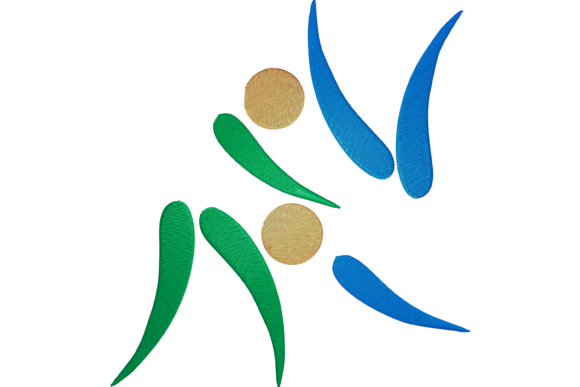
When I first opened the preview of Baseball Logo, the vibe was undeniably energetic. The title implies a sporty, perhaps slightly retro feel, which fits perfectly with current trends in handmade apparel. In the world of Hobbies and Embroidery, there is always a market for team spirit, but the design needs to be clean enough to appeal to casual fans, not just die-hard players. If the logo is too cluttered, it will lose impact when stitched onto smaller items. However, if it balances sharp lines with clear shapes, it has the potential to become a bestseller.
For an Etsy seller or boutique maker, the visual appeal is everything. Customers cannot touch the fabric before they buy, so the mockup photos must scream quality. A well-executed Baseball Logo on a dark navy cap or a crisp white t-shirt can create a high-contrast look that photographs beautifully. This design feels premium enough to justify a higher price point, making it ideal for giftable handmade items where the buyer wants something durable and stylish.
Product Versatility: Where It Shines
One of the most critical factors for any machine embroidery design is its adaptability. Can it stitch out perfectly on a variety of surfaces? Based on the description stating it works on "t-shirts, jackets, caps, bags," Baseball Logo appears to have broad application. Here is how I would deploy it in a real-world booth scenario:
- Tote Bag Design: This is a staple for any handmade shop. Placing Baseball Logo on a canvas tote bag creates a functional accessory that customers love. It serves as both a fashion statement and a practical item, increasing the perceived value of your booth inventory.
- Apron Embroidery: For kitchen enthusiasts or fellow crafters, an apron featuring this design adds a personal touch. The contrast of the logo against a denim or linen apron can make it stand out as a unique small shop product.
- Tea Towel Embroidery: Kitchen towels are excellent low-cost impulse buys. If the design is sized correctly, it can serve as a decorative element that elevates a simple towel into a giftable item.
- Embroidered Patch: Perhaps the most versatile use case. You can create detachable patches using Baseball Logo that customers can iron or sew onto their own hats, jackets, or backpacks. This expands your product line without requiring you to stock every type of garment.
- Caps and Pouches: Curved surfaces like caps require precise digitizing. If the Baseball Logo accounts for the curvature of a hat, it will look professional and polished, whereas a flat design might distort.
Additionally, pillow covers and market bags offer larger canvases where the design can breathe. These items often sell well together as a set, allowing you to bundle products for a higher average order value.
Production Reality: Stitch Density and Stability
Before you commit to printing 50 units for a weekend fair, you must address the technical side of production. As a designer, I always advise checking the stitch density carefully. Sports logos often contain tight details and lettering. If the density is too high, the fabric may pucker, especially on thinner materials like standard t-shirts. Conversely, if it is too light, the design may lack definition.
You need to verify the hoop size requirements. A large, detailed version of Baseball Logo might require a bigger hoop, which limits where you can place the design on certain garments. Ensure you have the correct stabilizer ready for each fabric type. Heavy-duty stabilizers are essential for structured items like caps, while cut-away stabilizers provide better support for stretchy knit fabrics like t-shirts.
Another crucial step is testing thread colors. The description mentions it will stitch out perfectly, but the final look depends heavily on the thread palette you choose. High-contrast combinations usually photograph better for Etsy listings and online marketing. Always create at least one printable mockup or a real sample to compare different fabric colors before mass production.
Visual Appeal and Customer Engagement
In a crowded marketplace, your finished product needs to tell a story instantly. Baseball Logo taps into the nostalgia and passion associated with the sport. When customers see this design, they should immediately recognize the theme and feel a connection. This emotional link drives sales more effectively than generic patterns.
For booth displays, consistency is key. If you are selling a collection of commercial embroidery items, having a cohesive look where Baseball Logo appears across different products (from a patch to a tea towel) reinforces your brand identity. It shows customers that you are a professional creator who pays attention to detail. A well-stitched design signals quality, which allows you to charge more and build customer loyalty.
However, be mindful of tiny details. If the design includes very small lettering or intricate textures, it might get lost when scaled down for smaller items like pouches or keychains. In these cases, it is often better to treat the design as a medium-sized accent rather than a massive focal point. Test the clarity on scrap fabric first to ensure the embroidery file holds up under scrutiny.
Essential Designer Notes for Sellers
To ensure your Baseball Logo projects are successful, follow these practical steps before hitting the sale floor:
- Test on Scrap Fabric: Never assume a design will work on all materials. Run a test on the actual fabric you plan to sell to check for puckering or distortion.
- Check Thread Contrast: Ensure the thread colors pop against the background fabric. Dark threads on dark fabric can sometimes disappear unless there is significant texture variation.
- Review Spacing: Make sure the design fits within the safe zone of your hoop and does not run off the edge of the garment.
- Inspect Stitch Density: Look closely at dense areas. If stitches are overlapping too much, the fabric may become stiff or damaged.
- Confirm Commercial Licensing: Before selling any digital embroidery file or finished goods, double-check the license terms. Some designs allow for unlimited commercial use, while others restrict the number of items you can sell.
- Create Real Mockups: While digital mockups are useful, nothing beats a photo of the actual handmade product. Use these images to showcase the texture and quality of the stitching.
Ultimately, Baseball Logo has the potential to be a standout addition to your catalog. By understanding its strengths in sports-themed merchandise and paying close attention to production details, you can transform a simple digital file into a profitable line of craft fair products. Whether you are a seasoned entrepreneur or just starting your journey in the Hobbies niche, a well-executed design like this is your ticket to engaging customers and building a thriving handmade business.