Hair Bow: A Designer's Review for Craft Fair Success
Stepping into the world of craft fairs and handmade markets requires more than just a good eye; it demands a strategic approach to what you put on your table. As an experienced embroidery designer, I have spent countless hours evaluating digital assets before turning them into physical goods that customers actually want to buy. Today, I am reviewing the Hair Bow design with a specific focus on its potential as a high-performing craft fair product. The description promises a "fancy touch" and "fresh new design," but does it hold up under the scrutiny of a busy weekend market? Let's dive into the details.
First Impressions: Cute, Versatile, and Market-Ready
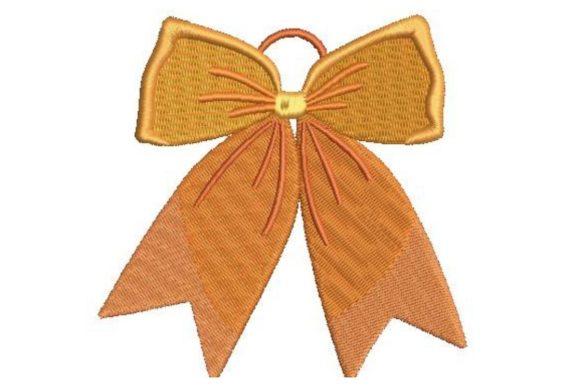
The moment you look at the Hair Bow, the vibe is undeniably playful yet elegant. In the crowded aisles of a handmade market, cute often wins, but only if the execution feels premium. This design strikes a balance between modern minimalism and decorative charm. It doesn't scream for attention with loud colors or complex narratives; instead, it whispers sophistication. For a booth display featuring accessories, this design offers a soft, inviting aesthetic that pairs beautifully with farmhouse, boutique, and chic styles.
When I imagine this design on my own inventory, I see it immediately as a focal point that elevates everyday items. Whether it is used as a standalone motif or part of a larger collection, the Hair Bow brings a sense of whimsy that appeals to gift buyers. It feels like a piece of art that can be worn or used daily, making it a perfect candidate for embroidery file enthusiasts looking to create unique handmade products.
Product Potential: Where Does Hair Bow Shine?
In a real-world scenario, preparing a table for a craft fair means curating a mix of items that catch the eye from different angles. The Hair Bow is incredibly versatile, but some applications will naturally sell better than others due to visibility and perceived value.
- Tote Bags and Market Bags: These are the bread and butter of any Etsy seller or boutique maker. Placing the Hair Bow on the front pocket of a canvas tote creates a charming accent. It transforms a plain utility bag into a stylish accessory. Customers love seeing a cohesive theme, and a bow motif suggests organization and style.
- Apron Embroidery: For the home cook or baker, an apron featuring this design adds a personal touch. The curve of the bow mimics the waistline, creating a flattering visual effect. This is a top-tier item for kitchen-themed booths.
- Tea Towel Embroidery: Linen and cotton tea towels provide a textured backdrop that makes thread pop. The Hair Bow works wonderfully here as a small, repeated pattern or a single large statement piece. It feels fresh and new, exactly as the description suggests.
- Caps and Embroidered Patches: While caps offer a curved surface challenge, a well-executed Hair Bow can look fantastic as a side logo or a central patch. Similarly, using this design on fabric pouches or small gift bags creates a delightful unboxing experience.
- Pillow Covers: For a higher-ticket item, a pillow cover with this design adds a touch of luxury. It fits perfectly in a nursery or a girl's bedroom decor setup.
Selling Strategy and Visual Appeal
When selling online or at a booth, the photograph is everything. The Hair Bow has excellent photographic potential because of its clean lines and recognizable shape. It photographs well against neutral backgrounds, allowing the thread colors to stand out. For a digital embroidery file seller or a small shop product creator, this means your listings will look professional and polished.
The design also excels in batch production. Because it is not overly intricate with tiny text or complex shading, it can be stitched quickly without sacrificing quality. This repeatability is crucial for meeting demand during peak seasons. You can create a series of matching items—a set of matching bows on a hat, a bag, and a towel—and present them as a coordinated collection. This strategy increases the average order value and strengthens brand consistency.
However, remember that the success of the finished product relies heavily on how well the design translates to the specific material. A Hair Bow on a smooth t-shirt looks different than one on a rough burlap sack. Understanding these nuances is what separates a hobbyist from a pro.
Practical Production Notes and Careful Use
Before you rush to print mockups or list items on Etsy, there are technical considerations every commercial embroidery artist must address. The description mentions multiple file formats, which is great, but you need to verify the specifics yourself.
Stitch Density and Details: If the Hair Bow features very dense stitch areas or tiny details, test it thoroughly. On thick fabrics or textured towels, fine details can get lost or cause the fabric to pucker. Ensure the design is scalable; if you plan to make small patches, check that the bow remains clear at reduced sizes. Tiny lettering, if present, should be avoided unless the hoop size allows for high resolution.
Fabric Texture and Color: Thread contrast is key. A light-colored bow might disappear on white fabric, while a dark bow could vanish on black. Always compare fabric colors before committing to a full run. For curved cap surfaces, ensure the stabilizer choice is robust enough to support the design without distorting the curve.
Stabilizer and Hoop Size: Using the right stabilizer is non-negotiable. A lightweight cut-away or tear-away stabilizer might not be sufficient for heavy-duty items like tote bags. Confirm the recommended hoop size for the design to ensure it fits your project dimensions correctly. If the design is too large for a standard 4x4 hoop, you may need to split the design or use a larger commercial machine.
Designer's Checklist for Success
To maximize the value of the Hair Bow design, follow this practical workflow before hitting the sale button:
- Test on Scrap Fabric: Never guess. Stitch the design on scrap pieces of your target fabric to check tension and density.
- Check Thread Colors: Review the thread palette. Do the colors complement each other, or do they clash? Adjust the color sequence if necessary.
- Create Real Mockups: Don't rely solely on digital images. Create at least one real printable mockup or physical sample to show customers the true texture and depth of the stitches.
- Inspect Stitch Density: Look for any areas where threads might pile up too thickly, causing needle breakage or fabric distortion.
- Confirm Licensing: Before selling finished products, double-check the commercial licensing terms. Some designs allow for unlimited sales, while others require a specific license.
Final Thoughts on Design Assets
The Hair Bow is more than just a simple graphic; it is a versatile asset that can elevate your entire product line. When applied correctly, it enhances visual appeal, captures customer attention, and boosts the perceived value of your handmade gifts. Whether you are a seasoned embroidery business owner or a creative entrepreneur starting your first booth, this design offers a solid foundation for success.
By paying attention to the technical details—stabilizer, fabric texture, and stitch density—you ensure that every embroidery project meets the high standards your customers expect. With careful planning and a keen eye for detail, the Hair Bow can become a signature element of your brand, drawing buyers in and keeping them coming back for more.