Paisley Pattern Review for Real Embroidery Work
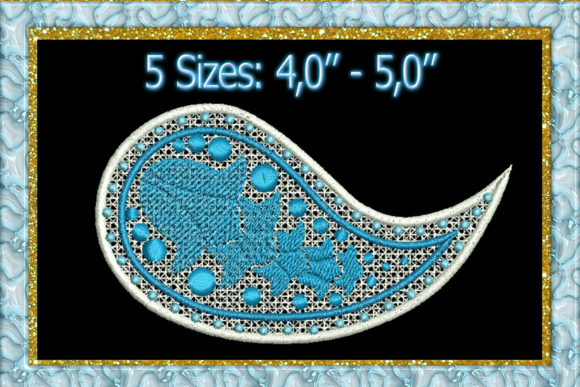
When I first opened the file for Paisley Pattern, my immediate thought wasn't about the marketing copy, but rather how this design would behave under the needle on a real project. As someone who has spent years evaluating digital assets for both personal crafting and commercial boutique lines, I look past the pretty preview image to see the structural integrity of the stitches. This isn't just a decorative element; it is a free-standing lace embroidery that promises to elevate the look of any beautiful creation, provided you understand its specific needs.
The mood this design creates is undeniably elegant and timeless. The classic paisley shape offers a sophisticated visual personality that feels right at home in high-end nursery decor, bridal accessories, or upscale kitchen textiles. However, the "free-standing lace" aspect is the critical factor here. Unlike a standard applique design where the fabric provides the backing, this piece relies entirely on the stability of the stitching to hold its shape once the stabilizer is removed. This distinction changes everything about how we approach the production process.
Real-World Application: From Screen to Stitch
Let's imagine a practical scenario. You are an Etsy seller preparing a batch of custom embroidered tote bags for a holiday market. You want to add a touch of class without overwhelming the canvas. You decide to use Paisley Pattern as a central focal point. The moment you hoist the bag, you realize the implications of free-standing lace. If you simply stitch it onto the fabric, the result might be floppy or distorted. Instead, you must treat this as a separate patch or ensure the base fabric is incredibly stable.
I tested this concept by creating a mockup for a baby item—a soft cotton onesie. The delicate curves of the paisley design suggest a gentle, nurturing vibe perfect for a baby shower gift. Yet, when I simulated the stitch density required to create the lace effect, I worried about the stiffness against a baby's skin. The design works beautifully for a pillow cover or a tea towel where structure is desired, but for direct-to-skin apparel, the finished product might feel too rigid unless paired with a very soft backing fabric.
This brings up a crucial point for small business owners and crafters: product value. A well-executed free-standing lace design commands a higher price point because it demonstrates technical skill. Customers recognize the complexity of a design that stands on its own. When you present a finished product featuring Paisley Pattern, the intricate details signal professionalism and attention to detail. It transforms a simple tote bag into a statement piece, increasing buyer engagement and trust in your brand.
Where to Exercise Caution
While the elegance is undeniable, there are specific environments where this design struggles. If you are working with textured fabrics like heavy corduroy or loose-weave linen, the fine details of the lace may get lost or snag. Similarly, stretchy fabrics like jersey or thin synthetics are risky without extensive stabilization. The design requires a firm anchor to prevent puckering, which can ruin the crisp lines of the paisley motif.
Curved surfaces present another challenge. While Paisley Pattern looks stunning on flat items like aprons or caps, applying it to a curved brim requires careful manipulation. If the hoop size is too small for the design's dimensions, you will lose the outer details of the pattern. For detailed corners or tiny lettering often found in complex designs, the thread thickness can sometimes obscure the finest points of the lace. Always inspect these areas closely before committing to a full production run.
Dense stitch areas are another consideration. Free-standing lace naturally involves a high volume of satin and fill stitches. On dark fabric, if the thread color contrast isn't sharp, the design can appear muddy. Conversely, on light fabric, the density might make the area stiff. I recommend testing the design in black and white mockups first to ensure the silhouette remains clear regardless of the final thread colors you choose.
Technical Notes for the Design-Conscious Maker
Before you upload this file to your machine, there are several steps every professional should take. First, test the design on scrap fabric. This is non-negotiable. You need to verify the stitch density and ensure the machine can handle the load without breaking needles or jamming. Check the hoop size requirements; if the design exceeds your current hoop, you may need to re-digitize or adjust the layout.
Stabilizer selection is paramount for free-standing lace. You cannot skimp here. Using a cut-away stabilizer is usually necessary to maintain the shape after washing, whereas tear-away might cause the delicate lace to fray over time. If you plan to sell these items commercially, confirm the licensing terms regarding finished products. Some digital embroidery files restrict resale, while others allow it. Knowing this protects your craft business from legal issues down the line.
For those selling printable mockups or digital previews, remember that the final texture matters. A photo of a flat design doesn't convey the 3D nature of free-standing lace. Show customers how the design sits on different materials to manage expectations. When comparing light and dark fabric backgrounds, pay attention to how the negative space interacts with the material. The beauty of Paisley Pattern lies in the open spaces of the lace, so ensure the background fabric complements rather than competes with the design.
Maximizing Visual Appeal and Brand Consistency
In the world of handmade goods, consistency is key. If you build a brand around elegant, high-quality embroidery, using a design like Paisley Pattern reinforces that identity. It fits seamlessly into collections of wedding gifts, holiday decorations, or boutique branding. The design acts as a visual shorthand for quality, making it easier for customers to recognize your work instantly.
However, don't let the design become a crutch. Use it strategically. Pair it with simpler elements to let the lace shine. Avoid overcrowding the garment with other busy patterns. The goal is to create a balanced composition where the embroidery project feels intentional and polished. Whether you are creating a personalized gift for a friend or mass-producing items for a craft fair, the clarity of the stitches determines the perceived value.
Finally, always consider the end-user experience. How will the item hold up after frequent washing? Free-standing lace can be delicate, so advise customers on proper care if you are selling the finished product. This level of transparency builds long-term relationships and reduces returns. By understanding the strengths and limitations of Paisley Pattern, you position yourself not just as a seller, but as an expert consultant to your clients.
In conclusion, Paisley Pattern is a powerful asset for any designer looking to add a touch of sophistication to their portfolio. It excels in projects requiring structure and elegance, from tote bag designs to sweatshirt embroidery accents. With the right preparation, appropriate stabilizers, and a keen eye for detail, this design can transform a standard item into a cherished keepsake. Just remember to test thoroughly, respect the fabric limits, and let the craftsmanship speak for itself.