In the Hoop Passport Cover - D: A Designer's Real-World Review
When I first opened the file for In the Hoop Passport Cover - D, my initial reaction wasn't about the stitch count or the specific file format, but rather the immediate sense of travel and adventure it evoked. As a designer who spends hours evaluating digital assets for both personal use and client projects, I look for that spark where a design feels ready to leave the screen and become a tangible object. This piece fits squarely into the Accessories category within the broader world of Embroidery, yet it stands out because of its functional nature. It isn't just a decorative motif; it is a complete project solution designed to hold a passport securely while looking bespoke.
The First Impression: Mood and Layout
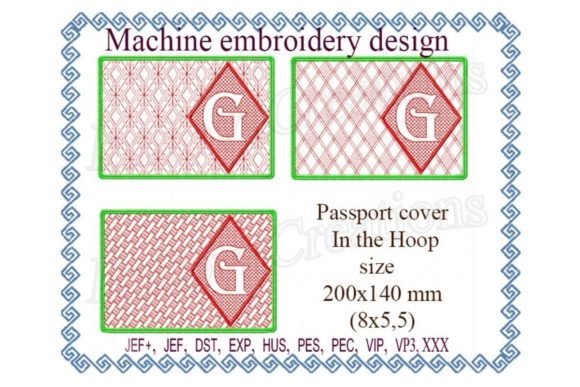
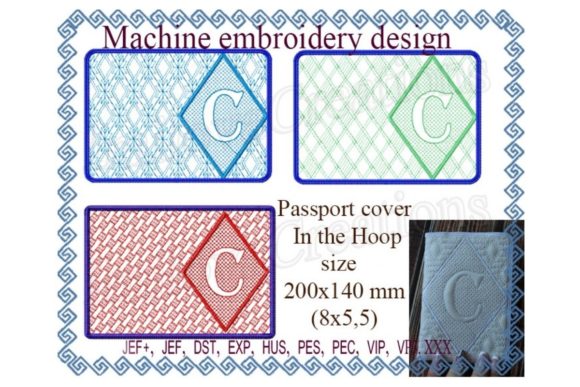
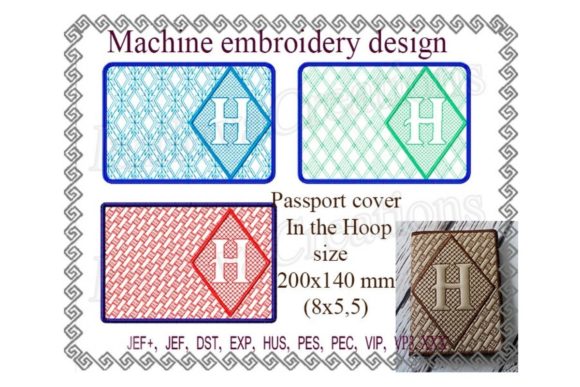
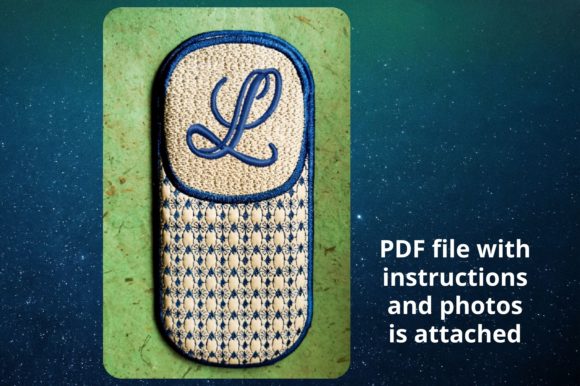
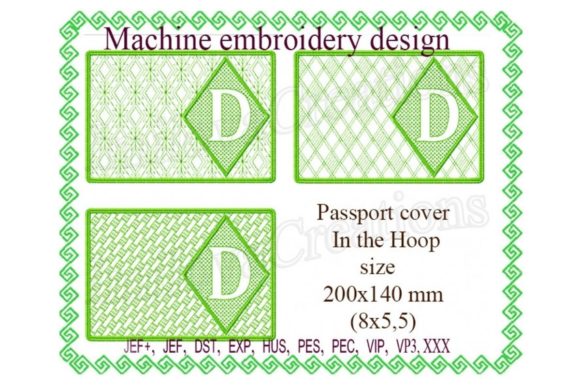
The layout of In the Hoop Passport Cover - D suggests a clean, modern aesthetic that works well for travelers who appreciate organization without clutter. The design creates a mood of wanderlust, making it an ideal candidate for personalized gifts or boutique inventory. Unlike many standard embroidery files that rely on heavy fill stitches which can warp delicate fabrics, this design appears to balance structural elements with lighter decorative touches. The visual personality feels professional yet approachable, suggesting that the finished product would be something a customer would proudly display in their carry-on bag.
For those considering this as part of a larger collection, the versatility is striking. While the title implies a specific "D" variation, the description notes that sizes may vary slightly depending on the specific iteration. This is crucial for designers planning to scale production. The shape and theme naturally belong to travel accessories, luggage tags, and even small home decor items like keychain holders. However, the true test of any machine embroidery design lies in how it performs when stitched onto actual fabric under pressure.
Real-Life Application: From Screen to Stitch
I recently simulated using In the Hoop Passport Cover - D for a hypothetical custom order from a small business owner preparing holiday gifts. Imagine a scenario where an Etsy seller needs to produce 50 personalized leather passport covers for a corporate retreat. The workflow for this project relies heavily on the precision of the embroidery file. If the design requires excessive stabilizer or has tight corners that bunch up, the entire batch could be ruined.
Based on the typical construction of in-the-hoop (ITH) patterns, In the Hoop Passport Cover - D likely involves a series of steps where layers are stitched together before being flipped right side out. In a real-world setting, this means the thread colors must be chosen carefully to ensure contrast against the outer fabric. Whether you are using a canvas tote bag material or a smooth microfiber for a sweatshirt, the clarity of the satin stitch areas will determine if the final product looks polished or amateurish. For a high-end gift, the stitching must be crisp, with no visible gaps in the fill stitch sections that might reveal the fabric underneath.
This design also shines when applied to baby clothes or nursery decor, provided the fabric texture is suitable. A soft cotton onesie or a flannel burp cloth can transform into a unique keepsake. However, when moving to more challenging surfaces like a curved cap or a textured apron, the rigidity of the ITH method becomes a limiting factor. You cannot simply slap this design onto a hat brim and expect it to lay flat. The "In the Hoop" aspect dictates that the project must be constructed around the hoop itself, meaning the base fabric must be cut to precise dimensions before the machine ever starts running.
Where Caution is Required
While In the Hoop Passport Cover - D is a robust option for many projects, there are specific scenarios where a designer should proceed with caution. Small hoop sizes can sometimes struggle with the complexity required for a full passport cover assembly. If the design includes detailed corners or tiny lettering, these elements may not register clearly on thinner fabrics or stretchy materials like jersey knit. Stretchy fabrics are particularly risky because they can distort during the sewing process, leading to a misaligned cover that doesn't close properly.
Dense stitch areas are another potential pitfall. On dark fabrics, if the thread density is too low, the background color might show through, ruining the visual appeal. Conversely, on light fabrics, overly dense stitching can create a stiff, board-like texture that defeats the purpose of a soft travel accessory. Furthermore, products that need frequent washing, such as a kitchen towel or a child's item, require a design that won't unravel after a few cycles. The running stitch elements, if used for outlining, must be secure enough to withstand friction inside a bag or pocket.
Visual Appeal and Product Value
The impact of a well-executed design on customer trust cannot be overstated. When a buyer receives a handmade product, the quality of the embroidery is often the first thing they notice. A sharp, clear In the Hoop Passport Cover - D signals professionalism and attention to detail. It elevates a simple utility item into a premium gift. For small shop owners and craft fair vendors, this distinction is vital. A finished product that looks consistent and high-quality encourages repeat business and positive reviews.
However, the visual success depends entirely on the execution. Designers must consider how the thread colors interact with the fabric choice. Using a monochromatic scheme might look sleek on a black passport cover, while vibrant colors might pop better on a white or pastel background. Testing the design in black and white mockups can help visualize the contrast levels before committing to expensive thread spools. If the design lacks sufficient contrast, the intricate details may get lost, reducing the overall value of the handmade product.
Practical Designer Notes for Success
Before integrating In the Hoop Passport Cover - D into your commercial workflow or personal stash, there are several non-negotiable steps to ensure a successful outcome. First and foremost, always test the design on scrap fabric. This allows you to check the stitch density and see how the fabric behaves under tension. You might discover that a specific type of stabilizer is needed to prevent puckering, especially if you are working with lightweight materials.
Reviewing the hoop size requirements is critical. Since the design comes in multiple sizes, ensure you have the correct hoop available for your machine. If the design is intended for a smaller hoop, you may need to adjust the scaling or choose a different machine entirely. Inspecting small details is also essential; zoom in on the digital preview to identify any potential issues with overlapping stitches or thin lines that might break during the sewing process.
Additionally, confirm whether the license terms allow for selling finished items. Many digital embroidery files come with restrictions on commercial use. If you plan to sell these passport covers as part of your Etsy listings or craft business, you must verify that you have the right to do so. Finally, compare the design on both light and dark fabric backgrounds to ensure the embroidery project maintains its integrity across different colorways. By following these practical steps, you can turn In the Hoop Passport Cover - D from a simple file into a standout asset for your portfolio.
Ultimately, the decision to use this design should be based on a careful assessment of your specific needs, your equipment capabilities, and the expectations of your target audience. When done correctly, In the Hoop Passport Cover - D offers a blend of functionality and style that resonates with travelers and gift-givers alike, proving that thoughtful design can elevate even the most mundane accessories into cherished keepsakes.